Article: Post-Monsoon Skin Reset: How to Repair Your Skin Barrier After Rainy Season
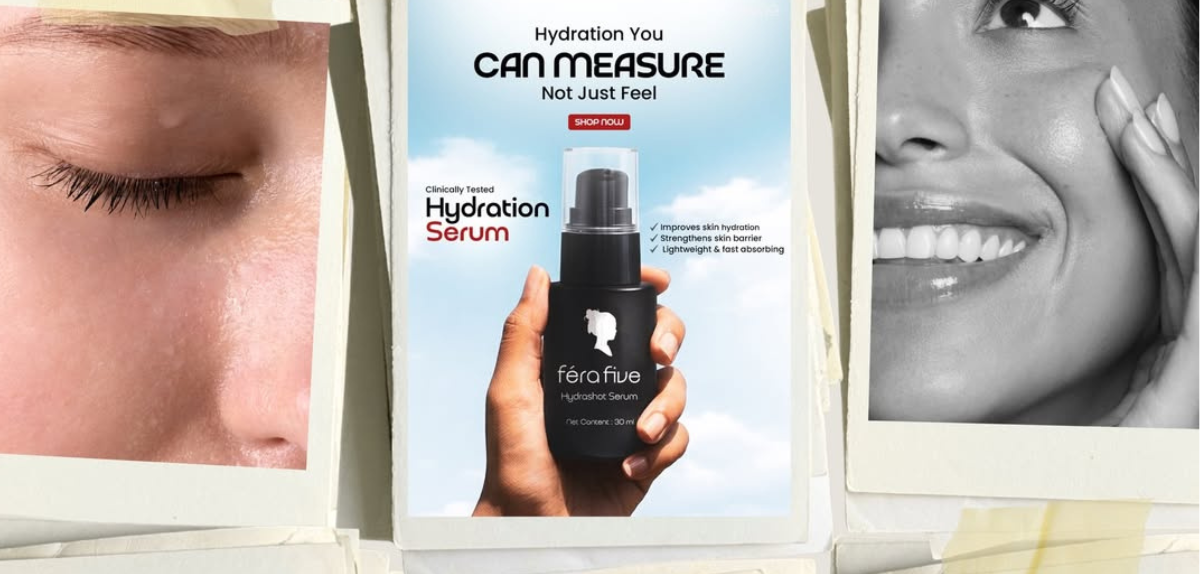
Post-Monsoon Skin Reset: How to Repair Your Skin Barrier After Rainy Season
The rains are gone — but your skin is still dealing with the aftermath.
Months of high humidity, excess moisture in the air, sweat, and compromised ventilation leave the skin barrier weakened, congested, and confused. What looked like a "glow" during monsoon was often just surface-level oiliness masking dehydrated skin underneath. Now that the season has shifted, that dehydration is showing up as dullness, uneven texture, clogged pores, and a tight, reactive feeling.
This is the moment for a skin reset. Not an overhaul — a reset. Intentional, simple, and effective.
What Monsoon Actually Does to Your Skin
To repair your skin barrier, you first need to understand why it gets damaged in the first place.
During rainy season, Indian skin faces a specific set of challenges:
Humidity disrupts your skin's natural balance. When humidity is high, the skin overproduces oil as a compensatory response. This excess sebum mixes with sweat, pollution, and moisture — clogging pores and creating an environment where bacteria thrive. Breakouts, congestion, and uneven skin tone follow.
The skin barrier loses its integrity. The skin barrier — the outermost layer responsible for holding moisture in and keeping irritants out — gets repeatedly softened by rain, humidity, and over-washing. By the time monsoon ends, it is often weakened, sensitised, and unable to retain hydration effectively.
Dehydration hides behind oiliness. This is the most misunderstood part of monsoon skin. Oily skin can still be dehydrated. When the barrier is compromised, the skin loses water (trans-epidermal water loss) even while producing excess oil. Post-monsoon, the oil production drops — and the dehydration that was always there becomes visible.
The Post-Monsoon Skin Reset: Step by Step
A genuine skin reset doesn't require ten new products. It requires the right ones, used consistently.
Step 1 — Gentle Cleansing
Start with a mild, non-stripping cleanser that removes impurities without disrupting the skin's pH. Avoid harsh foaming cleansers or physical scrubs for the first two weeks of your reset. Your barrier is already sensitised — stripping it further will only delay recovery.
Step 2 — Active Hydration with a Serum
This is the most critical step in barrier repair. After cleansing, the skin needs deep, targeted hydration — not just surface moisture. This is where a concentrated serum works harder than any moisturiser alone can.
Hydrashot Serum is built exactly for this moment. Formulated with Sodium Hyaluronate to lock in moisture and smooth the skin, Niacinamide to minimise pores and control residual oiliness, AHA Fruit Extract to gently clear and refine post-monsoon congestion, and Vitamin C to brighten dullness from within — it addresses every major post-monsoon skin concern in a single, lightweight step.
Apply 2–3 drops to clean skin and press gently into the face and neck. It absorbs in seconds — no residue, no heaviness. Just active hydration working where your skin needs it most.
The serum's pH of ~4.65 supports the skin's natural acid mantle, which is often disrupted after months of humidity and over-cleansing. This makes it particularly effective as a barrier repair tool, not just a hydration boost.
Step 3 — Seal with a Deep Moisturiser
A serum hydrates; a moisturiser locks that hydration in. Post-monsoon, your skin needs both.
Face Moisturiser is formulated for exactly this kind of layering. Silky in texture and deeply nourishing without heaviness, it forms a protective layer over the serum to prevent moisture loss throughout the day. It doesn't clog pores — critical for skin that has just come out of a high-humidity season.
Apply after the serum has fully absorbed. Use morning and night for the first two to three weeks of your reset.
Step 4 — SPF (Non-Negotiable)
Post-monsoon skies may feel cooler, but UV radiation doesn't drop with the temperature. A broad-spectrum SPF 30+ applied every morning is essential — UV exposure is one of the leading causes of prolonged barrier damage and post-inflammatory hyperpigmentation.
The FéraFive Post-Monsoon Skin Routine
Here's a clean, two-step FéraFive routine to follow every morning and evening through your skin reset:
| Step | Morning | Evening |
|---|---|---|
| 1 | Gentle cleanse | Gentle cleanse |
| 2 | Hydrashot Serum (2–3 drops) | Hydrashot Serum (2–3 drops) |
| 3 | Hydrafusion Moisturiser | Hydrafusion Moisturiser |
| 4 | SPF 30+ sunscreen | — |
That's it. No unnecessary steps. No product overload. Just what your skin actually needs, applied with consistency.
What to Avoid During Your Post-Monsoon Reset
While your skin is in recovery mode, avoid:
- Heavy exfoliation — the AHA in Hydrashot Serum provides gentle cellular turnover. Additional scrubs or chemical peels can over-sensitise.
- Skipping moisturiser because skin "feels oily" — this is the most common post-monsoon mistake. Oiliness and dehydration coexist.
- Switching products frequently — give your barrier time to stabilise. Stick to the routine for at least three weeks before assessing results.
- Hot water on the face — it strips the skin's natural oils and worsens dehydration.
How Long Does Skin Barrier Repair Take?
The skin barrier has a natural renewal cycle of approximately 28 days. With the right routine, most people notice visible improvement in skin texture, hydration, and radiance within two to three weeks. Full barrier repair — where the skin feels consistently balanced, calm, and resilient — typically takes four to six weeks of consistent care.
The FéraFive two-step routine is designed for this kind of sustained, intentional recovery. Not instant drama. Lasting balance.
Conclusion
Monsoon season asks a lot from your skin. Post-monsoon is the time to give it back what it lost — not with a complicated routine or a shelf full of products, but with the right two steps, used with intention, every day.
FéraFive's Hydrashot Serum and Hydrafusion Moisturiser were designed for exactly this kind of care. Clean, effective, and grounded in what skin actually needs.
Your skin reset starts with one decision. Make it a good one.
FAQs: Post-Monsoon Skin Reset
Q1. Why does my skin feel both oily and dry after monsoon season?
A: This is trans-epidermal water loss — your skin's barrier is compromised, so it loses water internally while still producing oil externally. The solution is deep hydration with a serum, not skipping moisturiser.
Q2. Can I use FéraFive's Hydrashot Serum if I have sensitive skin?
A: Yes. The Hydrashot Serum is patch tested and formulated for all skin types, including sensitive skin. Its fragrance-free, water-based formula makes it particularly gentle for sensitised post-monsoon skin.
Q3. Do I need both the serum and moisturiser, or is one enough?
A: Both serve different functions. The serum delivers active hydration deep into the skin; the moisturiser seals that hydration in and protects the skin barrier. For a genuine post-monsoon reset, using both together gives significantly better results.
Q4. How long should I continue this post-monsoon routine?
A: A minimum of four to six weeks is recommended for full barrier repair. After that, the FéraFive routine works just as well as your year-round daily ritual.
Q5. Is Vitamin C in the Hydrashot Serum safe to use in the morning?
A: Yes. The Vitamin C in Hydrashot Serum is formulated at a stable, skin-compatible concentration. Apply it in the morning, followed by moisturiser and SPF for protection.
Q6. My skin is breaking out post-monsoon. Should I still use a moisturiser?
A: Absolutely. Post-monsoon breakouts are often a sign of dehydrated, congested skin — not excess oil. Skipping moisturiser worsens dehydration and can trigger more oil production. Choose a non-comedogenic moisturiser like Hydrafusion and pair it with the Niacinamide-rich Hydrashot Serum to manage both breakouts and dehydration.